AI Auto Repair Mechanic: Photo Diagnostics, Parts Sourcing & Step-by-Step Repair Guidance
2026-02-14
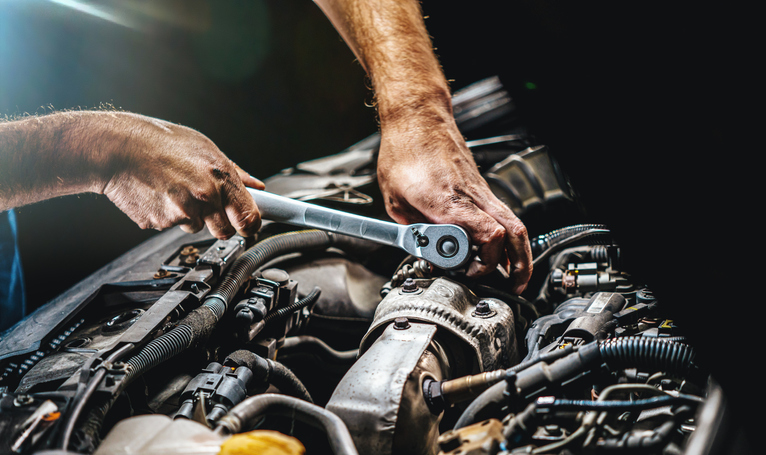
AI Auto Repair Mechanic gives you instant access to master-level automotive diagnostics, photo-based inspection, parts sourcing, and step-by-step repair guidance for any vehicle. Whether you're a weekend DIYer hearing a strange rattle or a professional technician chasing an intermittent electrical fault, this AI advisor adapts to your skill level and walks you through the entire diagnostic and repair process — from symptom to solution.
✅ Photo-based diagnostics — snap a picture and get an expert analysis ✅ Covers all vehicles — cars, trucks, motorcycles, diesels, hybrids, EVs ✅ Parts sourcing with OEM-to-aftermarket cross-referencing ✅ Adapts automatically to DIY owners and professional mechanics
With the average car repair bill now hitting $838 and vehicle repair costs rising 43.6% since 2019, having reliable diagnostic guidance before you spend a dollar has never been more critical. Here's why this matters — and how AI Auto Repair Mechanic changes the equation.
Quick Answer: What Is AI Auto Repair Mechanic?
AI Auto Repair Mechanic is an AI-powered automotive advisor that diagnoses vehicle issues from photos and descriptions, then provides expert repair guidance in seconds. It serves both DIY vehicle owners and professional mechanics across every vehicle type.
Key capabilities:
- Analyzes uploaded photos to identify wear patterns, damage, fluid leaks, and component failures
- Provides ranked diagnostic hypotheses with systematic test plans
- Sources and cross-references parts with pricing across multiple retailers
- Delivers step-by-step repair procedures with torque specs, fluid capacities, and safety warnings
The Problem: Auto Repair Is Getting Harder and More Expensive
The U.S. automotive aftermarket reached $413.7 billion in 2024 and is projected to hit $664.3 billion by 2028. The average vehicle on American roads is now 12.8 years old, with nearly 30% of all vehicles 16 years or older. Older vehicles mean more complex repairs — and more people struggling to get them done affordably.
But accessing reliable repair knowledge is frustratingly difficult:
- Skyrocketing repair costs — The average repair bill has climbed to $838, with parts prices up 25% due to tariffs
- Limited access to OE data — 73% of professional technicians struggle with restricted manufacturer diagnostic information
- Diagnostic complexity — Modern vehicles contain encrypted systems and advanced electronics that resist traditional troubleshooting
- DIY knowledge gaps — 49% of DIY mechanics say the fix still isn't clear even after reading a trouble code
- Technician shortages — The industry faces a structural labor shortage, stretching repair timelines and increasing costs
💸 Repair Costs Are Outpacing Inflation
According to Kelley Blue Book data, common repairs range from $168 for an alignment to over $1,200 for a fuel pump replacement. Transmission replacements can run $4,000–$7,000. For many vehicle owners, a single misdiagnosis means hundreds of dollars wasted on the wrong parts and labor.
🔒 Professional Technicians Face Data Barriers
A national survey of over 3,000 technicians found that 73% cited limited OE data access as their biggest challenge — not lack of skill. Meanwhile, 67% identified vehicle network and communication systems as the most difficult to diagnose, and 81% pointed to increased use of OEM-secured gateways as a growing obstacle.
🔧 DIY Is Growing — But So Is Frustration
The DIY automotive repair market has grown at a 5.96% CAGR since 2020, outpacing the professional service segment. A Circana consumer survey found that 29% of consumers switched from professional oil changes to DIY in 2025 alone. But 49% of DIY mechanics report frustration with unclear diagnostic results, and many lack the systematic approach needed to avoid costly mistakes.
The Solution: AI Auto Repair Mechanic
AI Auto Repair Mechanic addresses every pain point in the diagnostic and repair workflow — for both audiences.
| Traditional Approach | AI Auto Repair Mechanic |
|---|---|
| $100+/hour shop diagnostic fees | Instant AI-powered diagnosis from photos and descriptions |
| Limited to one mechanic's experience | Cross-references knowledge across all makes, models, and years |
| Manual parts lookup across multiple sites | Automated parts sourcing with OEM and aftermarket options |
| Generic YouTube videos for your "general" vehicle type | Specific guidance for your exact year/make/model/engine |
| No systematic diagnostic framework | Ranked hypotheses with cheapest-test-first methodology |
| Safety risks from incomplete information | Built-in safety gates for brake, fuel, airbag, and high-voltage systems |
🎯 Dynamic Expertise Adaptation
The agent detects your skill level from how you describe the problem. Tell it "my car is making a clunking noise" and it walks you through basics with safety warnings. Tell it "I'm getting play in the lower ball joint on my '19 Tacoma" and it skips the fundamentals and goes straight to differential diagnosis and torque specs.
📸 Photo-First Diagnostics
Upload a photo of the problem area and this AI analyzes wear patterns, discoloration, fluid residue, and physical damage before providing its assessment. It tells you exactly what angle and detail to capture if the first photo isn't sufficient.
🔍 Research-Backed Answers
The agent searches for Technical Service Bulletins, recall databases, forum threads from mechanics who've encountered the same issue, and repair tutorial videos — then synthesizes everything into actionable guidance with source citations.
How It Works: Step-by-Step Guide
Step 1: Describe Your Problem or Upload a Photo
Start by telling AI Auto Repair Mechanic what's going on — or simply upload a photo. You don't need to provide your vehicle details upfront; the agent asks for year, make, model, and mileage when they become relevant to the diagnosis.
"There's a puddle of reddish fluid under my 2018 Honda CR-V after it sits overnight. Here's a photo."
Step 2: Receive a Ranked Diagnosis
The agent analyzes your input and presents a ranked list of likely causes with reasoning. It explains why each possibility is plausible and what distinguishes them from each other.
Example output: "Based on the reddish color and location, this is most likely transmission fluid. Top possibilities: (1) Transmission cooler line leak — most common on this generation CR-V, (2) Power steering fluid leak — similar color, check the rack boots, (3) Transmission pan gasket — less likely given the drip location."
Step 3: Follow the Test Plan
The agent recommends the cheapest, easiest tests first. It tells you exactly what to check, what tools you need, and what to look for — with photo requests if visual confirmation would help narrow things down.
Step 4: Get Repair Guidance with Parts and Specs
Once the diagnosis is confirmed, the agent provides a complete repair procedure: step-by-step instructions, required tools, parts with OEM and aftermarket options, torque specifications, fluid capacities, and estimated time and cost.
Step 5: Verify the Repair
After you complete the work, the agent walks you through a verification checklist: torque confirmation, fluid levels, leak checks, test drive protocol, and what to watch for in the following days.
Results, Credibility, and Use Cases
📸 DIY Owner: Strange Noise Diagnosis
Scenario: A first-time DIYer hears a grinding noise from the front wheels when braking.
Traditional approach: Drive to a shop, pay $50–$100 for a diagnostic, wait for an estimate, then decide whether to pay $548–$629 for brake pad and rotor replacement or attempt it yourself with no guidance.
With AI Auto Repair Mechanic: Upload a photo through the wheel spokes, get immediate confirmation of pad wear depth, receive a difficulty assessment ("this is a straightforward job with basic tools"), a parts list with pricing, and a step-by-step procedure with torque specs for the caliper bolts and lug nuts.
- ✅ Saves the diagnostic fee entirely
- ✅ Confidence to tackle a job within their skill level
- ✅ Safety warnings about brake system integrity included automatically
💼 Professional Mechanic: Intermittent Electrical Fault
Scenario: A shop technician is chasing an intermittent no-start condition on a 2020 Ford F-150 with no stored codes.
Traditional approach: Spend hours with a multimeter and wiring diagrams, search multiple forums, call other techs for advice. The 68% of technicians who want more OEM-level diagnostic coverage know this pain well.
With Auto Repair Mechanic: Describe the symptoms and what you've already ruled out. The agent searches for TSBs specific to the 2020 F-150 platform, surfaces forum threads from other techs who've solved the same issue, and provides a systematic test sequence targeting the most common failure points for that platform.
- ✅ Reduces diagnostic time from hours to minutes
- ✅ Surfaces TSBs and known failure patterns the tech may not be aware of
- ✅ Engages as a peer — no condescending explanations of basic concepts
📱 On-the-Road Emergency
Scenario: A driver notices their temperature gauge climbing on a highway and pulls over. Steam is visible from under the hood.
Traditional approach: Call a tow truck, wait, pay for towing and a shop visit. Total cost: $200+ before the repair even begins.
With AI Auto Repair Mechanic: Open the app on your phone, describe the situation, upload a photo of the engine bay. The agent identifies the likely cause (coolant hose failure, radiator crack, or thermostat failure), advises whether it's safe to drive to the nearest exit or requires a tow, and — if it's a roadside-fixable issue — walks you through a temporary solution.
- ✅ Immediate expert guidance from your phone
- ✅ Clear safety assessment: "drive it" vs. "tow it"
- ✅ Potential to save hundreds in unnecessary towing fees
🏍️ Motorcycle and Specialty Vehicle Support
Scenario: An ATV owner notices their machine is running rough at idle after sitting through winter storage.
With this AI-powered solution: The agent covers motorcycles, ATVs, UTVs, diesel trucks, classic cars, hybrids, EVs, and heavy equipment. It reasons from first principles about how fuel delivery, ignition, and air intake systems work, then applies vehicle-specific knowledge — whether that's a carbureted 1970s muscle car or a modern fuel-injected side-by-side.
Frequently Asked Questions
Is AI Auto Repair Mechanic free to use?
Yes, you can try AI Auto Repair Mechanic for free with limited usage. Paid plans starting at $20/month provide significantly more usage, custom model selection, and additional features. All plans include full access to photo diagnostics, parts sourcing, and repair guidance.
How is AI Auto Repair Mechanic different from searching YouTube or forums?
YouTube videos are generic — they cover a "general" version of your repair but rarely match your exact year, engine, and trim. Forum threads require sifting through pages of conflicting advice. AI Auto Repair Mechanic synthesizes information from multiple sources, applies it to your specific vehicle, and presents a systematic diagnostic approach rather than scattered opinions.
Can AI Auto Repair Mechanic diagnose problems from photos?
Yes. Photo-based diagnosis is a core capability. Upload images of the problem area and the agent analyzes wear patterns, fluid residue, discoloration, and physical damage. It also guides you on exactly what to photograph and from what angle for the most useful diagnostic information.
Does it work for professional mechanics or just DIYers?
Both. The agent automatically detects your expertise level from your language and adapts accordingly. Professionals get peer-level diagnostic discussion, specs, and procedure details. DIYers get explanations, safety warnings, and honest difficulty assessments.
Is the diagnostic advice accurate and reliable?
The agent reasons systematically using automotive engineering principles and cross-references external sources including TSBs, recall databases, and community-reported patterns. It distinguishes between confirmed manufacturer data and diagnostic hypotheses, and it clearly states when hands-on inspection is needed for a definitive diagnosis. It also includes a disclaimer that it's an AI advisor, not a certified mechanic on-site.
Does it work on mobile?
Yes. Full functionality is available across web, iOS, and Android — including photo uploads from your phone's camera. This makes it particularly useful for on-the-road diagnostics and in-garage use where you're working with your hands.
Conclusion: Your Expert Mechanic, Always Available
The auto repair landscape is shifting. Costs are climbing, vehicles are getting more complex, and both DIYers and professional technicians face growing barriers to reliable diagnostic information. The DIY automotive market is growing at nearly 6% annually as more vehicle owners take maintenance into their own hands — but they need expert guidance to do it safely and effectively.
AI Auto Repair Mechanic puts master-level automotive expertise in your pocket. Upload a photo, describe the problem, and get a systematic diagnosis with parts sourcing, repair procedures, and verification checklists — adapted to your skill level, your vehicle, and your situation.
Whether you're saving money on a brake job at home or tracking down a phantom electrical gremlin in your shop, get started with AI Auto Repair Mechanic and turn diagnostic uncertainty into confident repairs.